


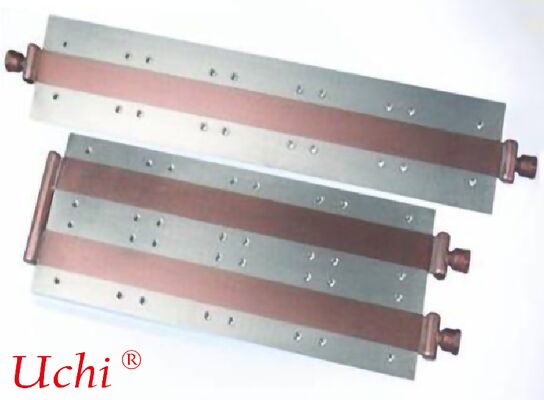
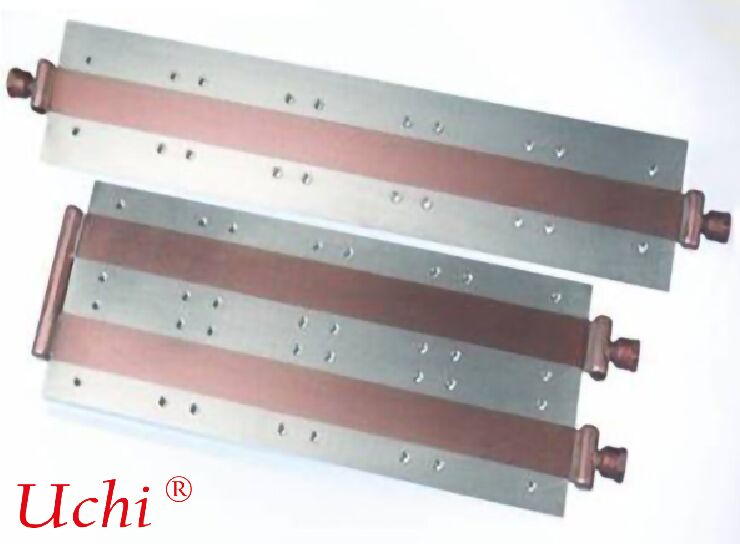
|
상세 정보 |
|||
| 방열판 소재: | 알류미늄 | 표면 마감: | 밀 마무리 또는 양극 산화 처리 |
|---|---|---|---|
| 재료: | 구리/알루미늄 | 팬 생활: | 100000 하스 |
| 깊은 과정: | CNC 가공 | 전도력: | 2000W |
| 용인: | ±1% | 추가 공정: | CNC 가공 |
| 정도: | ±0.002 ~ ±0.005mm | 최대압력: | 5 바 |
| 작동 온도 범위: | -40°C ~ 120°C | 소재의 질감: | 6061 |
| 강조하다: | 라디에이터 일체형 액체 냉각 플레이트,방열 핀이 통합된 액체 냉각 플레이트,고성능 액체 냉각 라디에이터 플레이트 |
||
제품 설명
라디에이터 통합 액체 냉각판
간단한 표현으로:라디에이터 통합 액체 냉각판 = 액체 냉각판 + 통합 열 분산 핀
한쪽에서 열을 생성하는 장치에 붙이고 다른 쪽에서 밀도가 높은 지느러미가 있습니다. 열은 냉각액 순환을 통해 지느러미 영역으로 전달되어 콤팩트한액체 냉각 용액.
I. 구조적 특징
접착 표면 (냉각판 쪽)
IGBT, 전원 모듈, 배터리, 모터 및 기타 열 발생 부품에 직접 연결되는 평면.
피인 열 분산 측면 (레디에이터 측면)
내부 흐름 채널은 밀집한 지느러미 영역으로 확장되어 라디에이터와 유사한 구조를 형성합니다. 냉각액이 흐르면서 열은 지느러미로 전달되고 공기 냉각 또는 자연적 공류로 분산됩니다.
완전 통합 구조
주로 스키빙, 다이 펌핑 또는 용접을 통해 하나의 조각으로 제조됩니다. 분리 된 라디에이터와 물 튜브의 복잡한 조립을 제거합니다.
II. 작동 원칙
- 구성 요소에서 온도 → 액체 냉각판 밑으로 유도
- 냉각 액체는 내부 채널을 통해 흐르고 열을 흡수합니다.
- 가열 냉각 액체가 지느러미 라디에터 섹션으로 흐른다
- 날개 는 팬 이나 자연적 공기 흐름 을 통해 열 을 방출 한다
- 냉각 된 냉각 액체는 다시 순환하여 프로세스를 반복합니다
이 하이브리드 솔루션은액체 냉각 열 전달그리고공기 냉각 최종 분산.
III. 주요 장점
-
콤팩트한 구조와 높은 통합모든 것을 한꺼번에 디자인하면 공간을 절약하고 커넥터와 누출점을 줄입니다.
-
간단한 설치부품에 직접 장착; 외부 펌프와 저수지만 필요, 추가 라디에이터가 필요하지 않습니다.
-
일률적인 열 분산베이스 플레이트에서 우수한 온도 균일성, 지역 핫스팟을 피합니다.
-
높은 신뢰성용접 또는 스키브 구조는 자동차 및 산업 제어 응용 프로그램에 이상적으로 강한 진동 저항을 제공합니다.
IV. 공용 제조 공정
-
스키브 라디에이터 통합 액체 냉각판단 하나의 알루미늄 블록으로 가공된 지느러미와 흐름 채널, 높은 강도와 지속적인 열 전도성을 제공합니다.
-
진공 용접형기판과 지느러미는 용접에 의해 결합되며, 더 밀도가 높은 지느러미와 더 큰 열 분산 면적이 있습니다.
-
융합형 주사형형대량 생산에 적합하고 저렴한 비용으로 승용차 열 관리에 널리 사용됩니다.
V. 전형적인 사용법
- 새로운 에너지 차량: 모터, ECU, OBC, DC-DC 변환기의 통합 냉각
- 에너지 저장 컨버터 (PCS), 태양광 인버터
- 산업용 서보 드라이브, 고전력 전원 공급 장치
- 레이저 장비, 용접 기계, 고주파 전원 공급 장치
- 건설 기계, 상업용 차량 제어기 냉각
VI. 표준 액체 냉각판과의 차이
- 표준 액체 냉각판: 단지 열을 흡수하고 전달합니다.
- 라디에이터 통합 액체 냉각판: 열을 흡수하고, 내부로 순환하고, 자신의 지느러미를 통해 열을 분산하여 완전한 컴팩트 냉각 시스템을 형성합니다.
이 제품에 대한 자세한 내용을 알고 싶습니다
