
|
상세 정보 |
|||
| 장착 유형: | 나사 장착 또는 접착제 | 소음: | 17dA |
|---|---|---|---|
| 방열 전력: | 2000W | IP 등급: | IP65 |
| 절삭유 종류: | 에틸렌 글리콜 용액 또는 실리콘 오일 | 포장 상자 크기: | 42.5*33*18CM |
| 입력 전압: | 24V DC | 입구 직경: | 1/4는 조금씩 움직이거나, 특화했습니다 |
| 표면 마감: | 니켈 도금 또는 베어 메탈 | 호환성: | CPU, GPU, 전력 전자 장치에 적합 |
| 강조하다: | liquid cooling plate heat dissipation,power liquid cooling plate,liquid cooling plate three core |
||
제품 설명
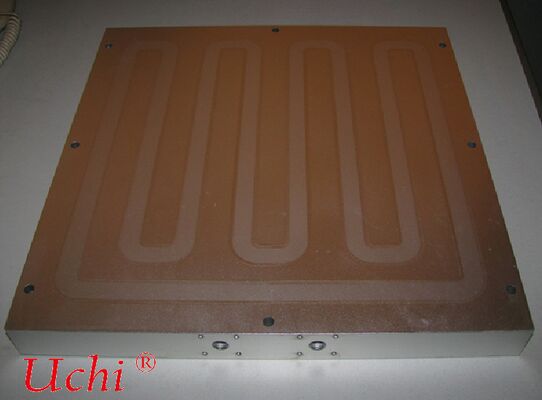
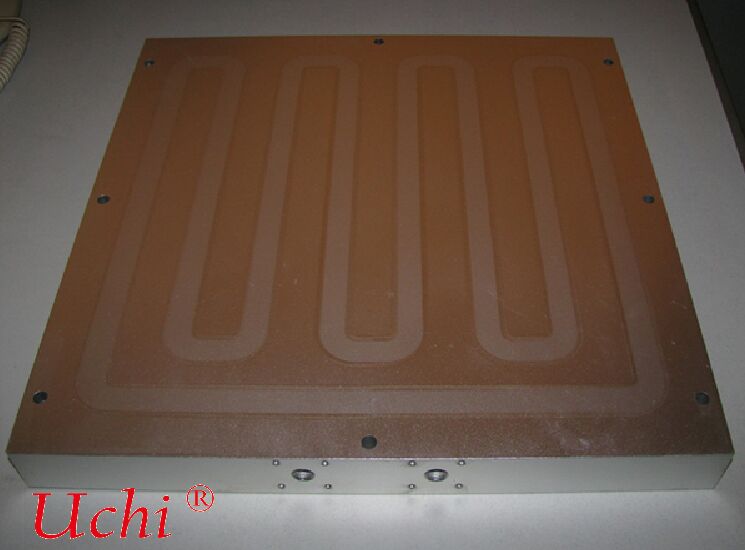
Power Liquid Cooling Plate
Power liquid cooling plate refers to a high-power liquid cooling heat sink specially designed for power electronic equipment. It is mainly used in scenarios such as photovoltaic inverters, wind power converters, SVG, high-voltage inverters, PCS energy storage converters, and high-voltage power transmission and transformation equipment.
It features high pressure resistance, large current carrying capacity, high reliability, long service life and corrosion resistance, belonging to industrial-grade / power-grade water cooling components.
I. Typical Application Equipment
- Photovoltaic inverters / central inverters
- Wind power converters, full-power converters
- Energy storage converters (PCS)
- High-voltage inverters, transmission devices
- Static Var Generators (SVG)
- Flexible HVDC (MMC), converter valves
- High-power rectifier power supplies, electroplating / electrolysis power supplies
- Charging piles, power units of ultra-fast charging modules
Core heat dissipation targets: IGBTs, SiC power modules, diodes, reactors, power resistors, etc.
II. Core Design Features
-
High power and high heat flux densitySingle module power often ranges from dozens of kW to hundreds of kW with high heat flux density, requiring low flow resistance and high heat exchange efficiency.
-
High pressure resistance and anti-leakagePower equipment operates continuously for a long time, requiring a water pressure resistance of 3–10 bar.Must pass helium mass spectrometer leak detection with nearly zero leakage.
-
Reasonable flow channel designCommonly used designs:
- Single / double-layer serpentine flow channels
- Multi-branch parallel flow channels
- Turbulators / pin fins for enhanced heat transfer
Ensures temperature uniformity and avoids local hotspots that cause equipment failure.
-
Material selection and corrosion protectionMainstream materials: aluminum alloy 5052 / 3003 / 6061For poor water quality, coastal or chemical environments, surface treatments include:
- Anodizing
- Electrophoretic coating
- Internal anti-corrosion coating
Prevents scaling, corrosion and water leakage.
-
Structural strength and anti-vibrationThick base plate and stiffener design to avoid deformation during vibration, transportation and long-term operation of power equipment.
III. Mainstream Manufacturing Processes
-
Tube-embedded liquid cooling plateCopper / aluminum tubes embedded in aluminum platesLow cost, mature and stableSuitable for low-to-medium power conventional power equipment
-
Vacuum brazed liquid cooling plateMulti-layer plates and flow channels formed by brazingStrong heat exchange, good flatnessSuitable for high-power IGBT / SiC modules
-
Friction stir welded liquid cooling plateLarge size, high reliabilitySuitable for high-power wind and photovoltaic equipment
-
Skived / machined integrated typeHigh strength, flexible flow channel designMostly used for customized power cabinet cooling
IV. Key Performance Indicators (Common in Power Industry)
- Working pressure: 3–6 bar
- Bursting pressure: ≥ 9 bar
- Leak detection standard: Helium leak rate ≤ 1×10⁻⁸ Pa·m³/s
- Temperature resistance: -40℃ ~ 120℃
- Surface flatness: ≤ 0.1 mm (for power module mounting)
- Roughness: Ra ≤ 1.6–3.2
- Inlet & outlet ports: G1/4, G3/8, G1/2 threads or quick-connect connectors
V. Differences from Standard Liquid Cooling Plates
- Operating life: 20 years of uninterrupted service, not for short-term equipment
- Environment: high temperature, high humidity, dust, coastal salt spray
- Safety: liquid leakage directly causes high-voltage short circuits, failures and blackouts, requiring extremely high reliability
- Maintenance: low-maintenance or maintenance-free design
VI. Brief Summary
Power liquid cooling plate is the "special heat dissipation base plate" for power electronic equipment.
Its core requirements can be summarized in three points: strong heat dissipation, no liquid leakage, and long service life.
-
Strong Heat Dissipation – Core: Low Thermal Resistance, High Efficiency, No HotspotsOptimized flow channel design maximizes heat exchange area and minimizes thermal resistance, supporting continuous full-load cooling for high-power IGBT/SiC modules.Excellent temperature uniformity eliminates local hotspots, preventing power derating or component failure.Reasonable flow resistance matches the working conditions of the system water pump, ensuring stable heat dissipation efficiency under high flow rates.
-
No Liquid Leakage – Core: Reliable Sealing, Zero LeakageHigh-strength welding processes such as vacuum brazing or friction stir welding are adopted to form an integrated, monolithic structure.Continuous welds with no cold joints or pores deliver high pressure resistance and resist fatigue cracking during long-term operation.100% helium mass spectrometer leak testing is performed before delivery, strictly controlling the leakage rate to prevent short circuits and burnout of power equipment caused by liquid leakage.
-
Long Service Life – Core: Longevity, High ReliabilityMaterials resist corrosion and scaling, adapting to industrial, power grid and automotive water quality environments.High structural strength provides vibration and impact resistance, supporting uninterrupted long-term operation.Excellent resistance to high and low temperature cycles and thermal fatigue, with a design life matching the 10–20 year long-term service of power equipment.
이 제품에 대한 자세한 내용을 알고 싶습니다


